
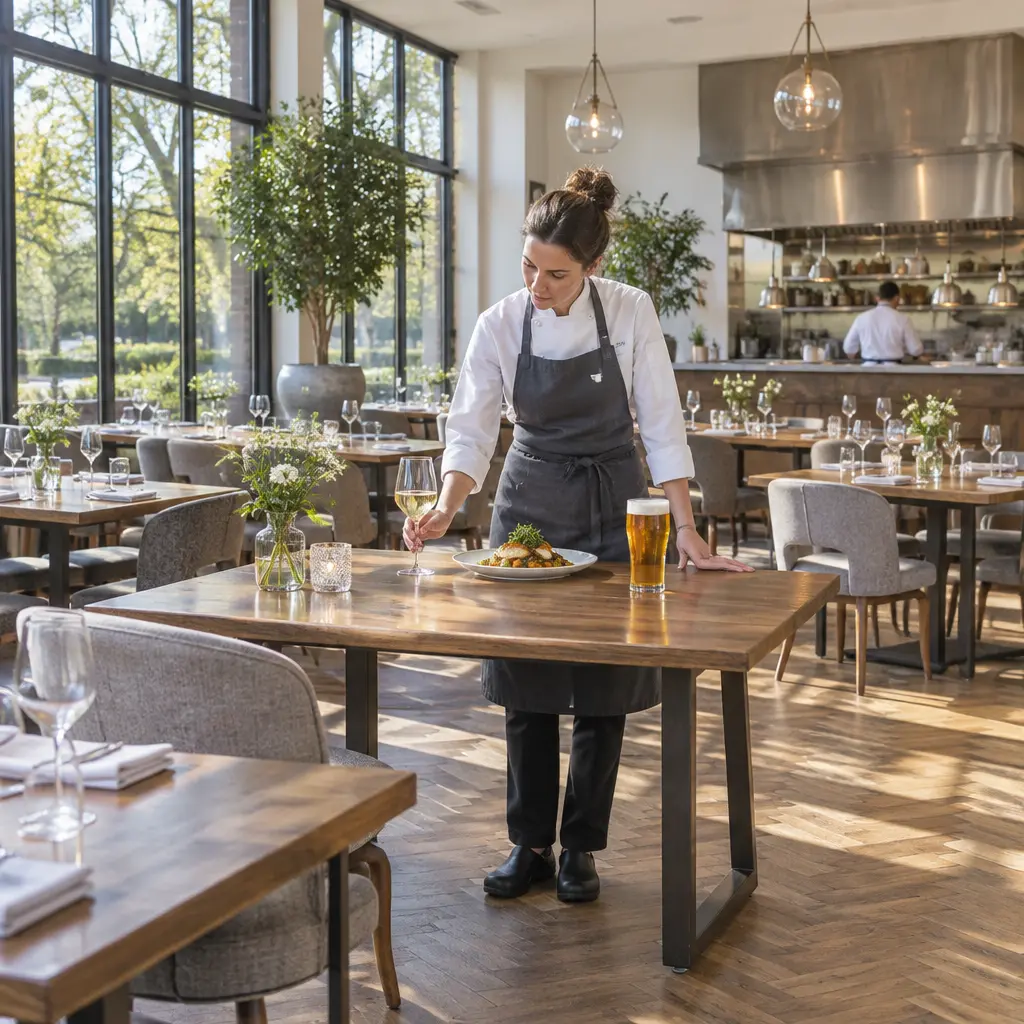
Food pairing by weight intensity matches a dish’s body, richness, and flavor concentration with a beverage’s body and intensity so that neither overwhelms the other. In wine education, this is commonly expressed as matching “like with like”: lighter foods tend to suit lighter beverages, while richly flavored or fatty dishes can support fuller-bodied options. The principle is a practical guide, not a rigid rule; acidity, sweetness, bitterness, carbonation, serving temperature, and personal preference also affect how a pairing tastes. This article defines weight matching, explains how to assess food and beverage intensity, and applies the logic to wine, beer, and nonalcoholic drinks.
Weight matching defines food-and-beverage intensity pairing
“Weight” in pairing describes perceived heft or presence on the palate—not simply a dish’s calories or a beverage’s alcohol content. A delicate poached fish may feel light, while a slow-cooked beef stew feels substantial because of its texture, fat, cooking method, and concentrated flavor. The beverage has weight too: a thin, crisp lager differs from a dense stout, just as a light-bodied red differs from a full-bodied one.
There is no single universally accepted scientific scale for food-and-beverage weight. Sommeliers and wine educators use the idea as a sensory framework. The Wine & Spirit Education Trust (WSET), for example, teaches assessment of wine structure and characteristics—including body, acidity, tannin, sweetness, and flavor intensity—which helps explain why body matching works but cannot account for every pairing on its own. Beverage alcohol can contribute to perceived body, but it is not a reliable stand-alone measure: sweetness, carbonation, acidity, extraction, and serving temperature also shape the impression.
The practical importance is that a mismatch can make one side seem faint or harsh. A delicate dish may disappear beside a strongly flavored drink; a substantial dish may make a light beverage seem watery. Matching approximate intensity offers a useful starting point, then taste-and-adjust decisions account for contrast and preference. The chart below can be read as a guide, not a prescription.
A practical intensity scale
Use a simple three-level scale to compare the finished dish with the drink: light, medium, or full. Assess the whole preparation, not just its main ingredient. A mild white fish with a lemon-herb dressing remains relatively light; the same fish with cream, butter, and browned crust can move toward medium weight.
- Light: delicate texture, restrained seasoning, little fat, and subtle flavors. Examples include steamed vegetables, raw oysters, and clear soups.
- Medium: noticeable seasoning or richness without overwhelming concentration. Examples include roast chicken, tomato-based pasta, and grilled salmon.
- Full: dense texture, substantial fat, intense seasoning, long cooking, or concentrated sauces. Examples include braised short ribs, aged hard cheese, and rich mushroom dishes.
The scale is qualitative rather than a measured score. For a more useful comparison, note body and flavor intensity separately: a beverage can feel light-bodied yet taste intensely aromatic, and a dish can be rich but delicately seasoned.
Dish weight and beverage weight guide the match
Dish weight is the perceived substance of a food preparation; beverage weight is its perceived body and palate presence. Matching the two means choosing a drink with enough structure and flavor to remain present alongside the food, without dominating it. This is the central entity-attribute pairing: the dish’s weight is compared with the beverage’s weight.
Several properties contribute to the comparison. For food, consider fat, protein, moisture, texture, cooking method, sauce, seasoning, and flavor concentration. For beverages, consider body, alcohol, sweetness, acidity, tannin, carbonation, bitterness, and aromatic intensity. These properties interact. Fat can soften the perception of astringent tannin, for example, while acidity can refresh the palate after a rich bite. The goal is not to make every element identical, but to keep the overall experience balanced.
Food-side indicators: texture, fat, and concentration
A dish’s weight often rises with richness and concentration. Cream sauces, butter, marbling, deep-frying, reduction, and slow cooking can create a fuller impression. Conversely, steaming, poaching, fresh herbs, and light broths often preserve a more delicate profile. Ingredients matter, but preparation can change the pairing category as much as the ingredient itself.
For example, grilled chicken with a light citrus dressing may pair comfortably with a crisp, light-bodied white wine or sparkling water. Chicken in a creamy mushroom sauce has greater richness and may work better with a medium-bodied white, a restrained red, or a fuller nonalcoholic option. The change in sauce changes the pairing logic.
Beverage-side indicators: body is not the same as strength
Body describes how substantial a drink feels in the mouth, whereas strength commonly refers to alcohol content or flavor intensity. A high-alcohol drink may feel warm and full, but alcohol alone does not guarantee a successful match. A highly acidic, low-alcohol drink can cut through richness; a sweet drink may amplify the perception of sweetness in a dish.
In beer, malt character, carbonation, bitterness, and alcohol influence perceived heft. A light lager can suit gently flavored food, while a robust porter may stand up to roasted or chocolate notes. In tea, oxidation, concentration, and astringency shape presence. In coffee, roast, extraction, and serving style matter. For any beverage category, judge the complete sensory profile rather than relying on a label such as “strong” or “light.”
Like-for-like pairing applies the weight principle
Like-for-like pairing is the most direct application of weight matching: pair lighter preparations with lighter beverages, medium dishes with medium-bodied drinks, and rich dishes with more substantial drinks. It is a hyponym of the broader food-and-beverage intensity-matching principle because it focuses specifically on similarity in perceived weight.
This approach is useful when a meal has a clear dominant profile and the drink should accompany rather than challenge it. It also helps avoid the common mistake of choosing a beverage solely by the main ingredient. A lean steak with a delicate preparation may call for a different drink than a heavily marbled steak served with a peppercorn sauce.
Light-with-light and full-with-full
Light-with-light preserves delicate flavors; full-with-full gives a richer dish a beverage with enough presence to remain noticeable. Examples include a crisp pilsner with lightly battered fish, a medium-bodied red with herb-roasted poultry, or a full-bodied red with a deeply browned, savory roast. These are starting points, not fixed rules: acidity, sauce, spice, and sweetness may suggest a different choice.
The National Restaurant Association’s culinary trend reporting regularly tracks consumer and industry interest in beverages and dining experiences, but it does not establish a universal sensory formula for pairing. That distinction matters: market surveys can describe what people order, while weight matching remains a practical tasting method rather than a statistically proven law.
Regional and cultural examples
Traditional food cultures often pair local drinks with local dishes because ingredients, climate, and cooking practices developed together. Japanese green tea can accompany delicate fish and rice; robust black tea can stand up to richer pastries; and sparkling water can refresh the palate with fried foods. These examples illustrate weight and texture matching without requiring alcohol.
A useful real-world test is to compare a dish before and after adding its sauce or garnish. Taste a roasted vegetable with a light vinaigrette, then with a nut-based sauce. The second version has more fat and concentration, so a drink with greater body—or stronger acidity to refresh the palate—may be more satisfying. The pairing decision follows the finished dish, not an ingredient list in isolation.
Contrast pairing adjusts weight with sensory balance
Contrast pairing deliberately uses a beverage characteristic that offsets or complements the dish rather than simply matching its body. It remains part of weight-based logic because the drink must still have enough presence for the food, but a contrasting feature—such as acidity, bubbles, sweetness, or bitterness—can improve balance.
This distinction is important: equal weight does not mean identical flavor. A rich dish can pair well with a lighter but highly acidic beverage if the acidity refreshes the palate and the drink’s flavor is sufficiently expressive. Conversely, a full-bodied drink may overwhelm a dish even when both seem “rich” in a broad sense.
Acidity and carbonation with rich foods
Acidity and carbonation can make a beverage feel refreshing beside fat or fried textures. A sparkling wine, tart lemonade, or carbonated water may provide a cleansing contrast to fried food or creamy sauces. This does not remove the need to consider intensity: an extremely delicate drink may still be lost beside a strongly seasoned dish.
The sensory rationale is that bubbles and acidity stimulate a lively palate impression, while richness can coat the mouth. The effect varies by person and preparation, so it is best checked with a bite-and-sip comparison rather than assumed from a pairing chart.
Sweetness, spice, bitterness, and tannin
Sweetness can soften the apparent heat of spicy food, while a very bitter or high-tannin beverage may make chili heat seem harsher for some drinkers. A modestly sweet drink can therefore work with spicy dishes, provided its body and flavor are not overwhelming. With desserts, a beverage that is less sweet than the food may taste sour or thin; matching or exceeding the dessert’s sweetness is often a better starting point.
Tannin creates a drying, grippy sensation, especially in some red wines and teas. Fat and protein may make tannic drinks seem more integrated with a meal, but seasoning and cooking method still matter. These effects are sensory tendencies, not guarantees; individual sensitivity and serving temperature can change the result.
A repeatable tasting method turns the principle into practice
A simple method makes weight matching easier to apply at home or in food service. First assess the finished dish, then the beverage, and finally taste them together. If the drink disappears, consider more body or flavor intensity. If it dominates, choose a lighter option or one with a more suitable contrast.
- Describe the dish: note texture, fat, seasoning, cooking method, sauce, and flavor concentration.
- Rate its weight: classify it as light, medium, or full, while separately noting whether its flavor is delicate or intense.
- Assess the beverage: consider body, sweetness, acidity, bitterness, tannin, carbonation, alcohol, and aromatic strength.
- Choose a starting match: select similar weight, or use a deliberate contrast such as acidity or bubbles against richness.
- Taste together: check whether the food remains clear, the beverage remains present, and neither leaves an unpleasant aftertaste.
- Adjust one variable: change the beverage, sauce, garnish, or serving temperature, then taste again.
For a visual summary, a two-axis chart can plot dish weight from light to full on the horizontal axis and beverage weight from light to full on the vertical axis. A diagonal band would show approximate like-for-like matches; points outside that band could represent intentional contrasts. Such a chart is a teaching aid, not a measurement instrument, because perceived intensity depends on the taster and the complete recipe.
Conclusion: match perceived weight, then refine by contrast
Food-and-beverage weight matching compares the perceived body and intensity of a finished dish with those of a drink. Dish weight reflects texture, fat, preparation, sauce, and flavor concentration; beverage weight reflects body alongside properties such as acidity, sweetness, tannin, bitterness, carbonation, and alcohol. Like-for-like matching offers a dependable starting point, while contrast pairing uses features such as acidity or bubbles to refresh and rebalance.
The broader lesson is to assess the whole sensory experience instead of following rigid ingredient rules. Try the six-step tasting method with a familiar meal, record what works, and adapt the drink to the sauce and preparation. For further study, consult structured sensory resources from WSET and explore beverage traditions across different cuisines.
Sources: Wine & Spirit Education Trust, Systematic Approach to Tasting (SAT), https://www.wsetglobal.com/knowledge-centre/wset-systematic-approach-to-tasting-sat/; Wine & Spirit Education Trust, WSET Level 2 Award in Wines Specification, https://www.wsetglobal.com/media/11739/wset_l2wines_specification_en_jun2022.pdf; National Restaurant Association, Research and Reports, https://restaurant.org/research-and-media/research/