
Rosé production is shaped not just by grape variety and growing conditions, but by how color and flavor are extracted from red grapes. The two principal approaches—direct pressing and saignée—differ in when juice separates from skins: direct-press rosé is made by pressing grapes soon after crushing, while saignée begins with a period of skin contact and draws off some juice from a red-wine fermentation vat. That distinction can influence color, texture, aroma, and the wine’s intended style, but neither method guarantees quality or a particular flavor. Understanding extraction, fermentation, and examples from established wine regions helps explain when each method is useful and how to assess the result.
Rosé production methods define extraction and style
Rosé is wine made from red grapes whose juice receives limited contact with pigmented skins, or, in some regions, by blending permitted amounts of red and white wine. For still rosé in the European Union, the general rule is that rosé cannot be produced by simply blending red and white wine, though exceptions exist for certain protected categories, including some sparkling wines. The European Commission’s wine rules illustrate why production method and regional designation matter: the legal answer depends on the wine category and appellation.
The central technical difference is the timing and purpose of juice separation. Direct pressing separates juice from skins early, normally producing a pale, delicately extracted must. Saignée—French for “bleeding”—draws off juice after red grapes have spent time in a vat, generally as part of making a red wine. The choice affects how much skin-derived pigment and phenolic material can enter the rosé, but grape variety, fruit maturity, pressing pressure, temperature, and fermentation management also shape the final wine.
Direct press: early separation for restrained extraction
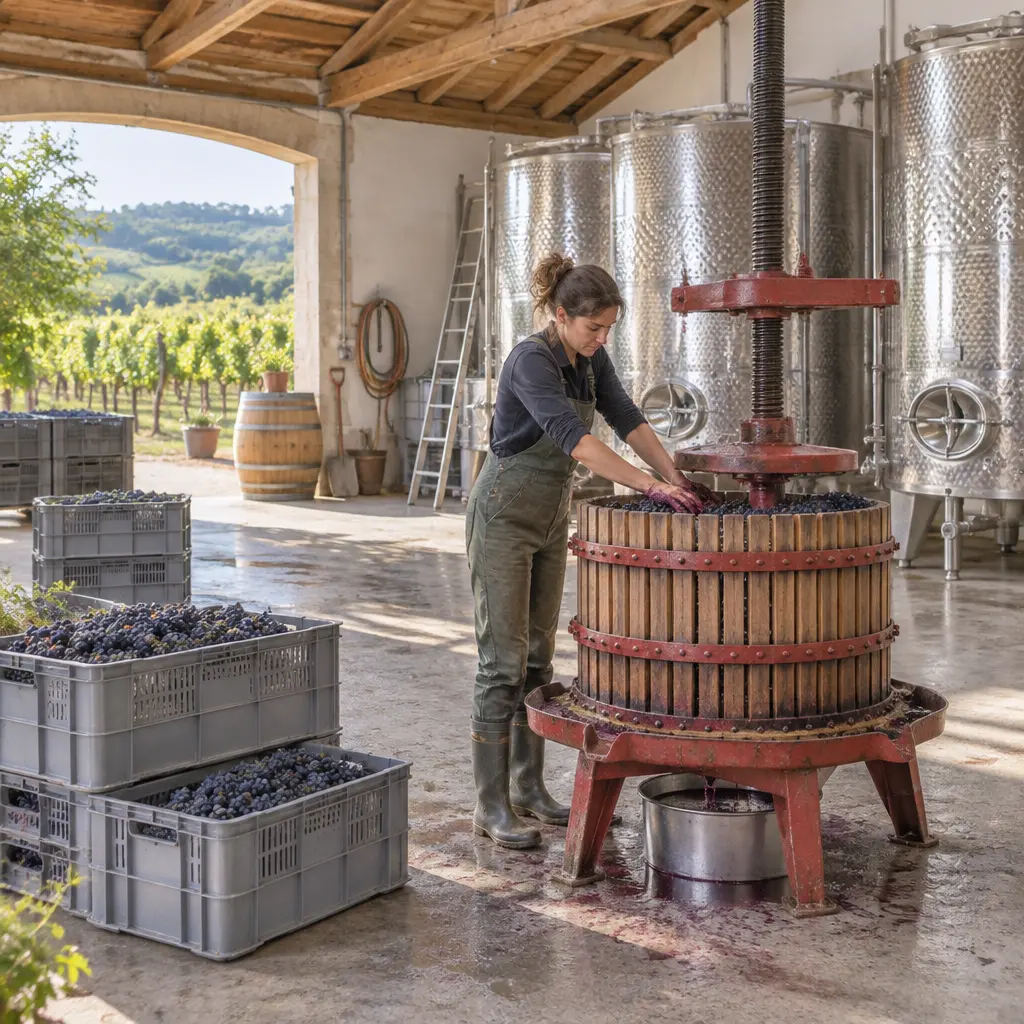
Direct-press rosé is made by loading red grapes into a press and extracting juice with little or no maceration beforehand. Some color is still extracted during crushing and pressing, so “direct press” does not mean the wine must be colorless. Winemakers can manage the result through grape selection, press settings, and the separation of early and later juice fractions. The method is widely associated with pale, fresh styles, including many Provence rosés, but it does not prescribe a single flavor profile.
Saignée: juice drawn from a red-wine vat
Saignée is the removal of a portion of juice from a vat of crushed red grapes after skin contact has begun. The juice is fermented separately as rosé; the remaining red-wine must has a higher ratio of skins to liquid, which can contribute to more concentrated extraction in the red wine. The method is therefore connected to red-wine production as well as rosé production. It can yield a deeper-colored, more structured rosé, but the result depends on the fruit and the winemaker’s choices, and saignée is not inherently a marker of superior quality.
Extraction timing distinguishes direct press from saignée
The most useful comparison is not simply “light versus dark.” It is the sequence of operations: direct pressing separates juice early, whereas saignée removes juice from a vat after some extraction has occurred. In both methods, the amount of pigment and tannin depends on contact time and extraction conditions. Anthocyanins, the pigments responsible for much red-grape color, are concentrated in grape skins in most red varieties; skin contact can also transfer aroma compounds and phenolics that affect texture and bitterness.
Skin contact, color, and phenolic structure
Skin contact is the period when juice remains with crushed grape skins, seeds, and sometimes stems. More contact can increase color and phenolic extraction, although temperature, pH, grape variety, and mechanical handling also matter. Direct-press wines typically have brief contact during crushing and pressing. Saignée juice has already undergone maceration in the red-wine vat before it is drawn off, so it may carry more color and structure. These are tendencies, not guarantees: a lightly extracted saignée can be pale, and a direct-press rosé can be vividly colored.
Pressing fractions and winemaker control
Pressing fractions are portions of juice collected at different stages or pressures. The first juice may be especially delicate, while later fractions can contain more phenolic material, though outcomes vary by fruit and equipment. A winemaker can keep fractions separate, blend them, or exclude some from the final rosé. In saignée, the decision to draw off juice is made after maceration has begun, and the timing can be adjusted to target a particular color and flavor balance. In either case, careful tasting and measurement are more informative than assuming a method alone predicts quality.
Once the juice has been separated, both approaches converge on many of the same cellar choices: settling, yeast selection, fermentation temperature, lees contact, and protection from oxygen. These decisions can preserve fresh fruit character or build additional texture. As a result, method explains the starting conditions for a rosé, not its entire sensory profile.
Flavor clarity depends on method and cellar practice
Flavor clarity is the legibility of a wine’s aromas and flavors—not simply its visual brightness or lack of cloudiness. Direct pressing is often chosen when a producer seeks a clean, fruit-forward profile with modest extraction. Saignée may offer more body and darker-fruited impressions because the juice has had skin contact, although fermentation and blending can substantially alter those impressions. Neither approach ensures that a wine will be fresh, balanced, or free from faults.
Aromas, freshness, and texture
Direct-press rosé is commonly associated with citrus, red berries, and a light, crisp palate, especially when made from varieties and sites that favor those traits. Saignée can show more pronounced red fruit, deeper color, and a fuller impression, depending on the source grapes and duration of maceration. These descriptions are stylistic patterns rather than fixed sensory rules. Alcohol level, acidity, fermentation temperature, and residual sugar can be just as important to perceived freshness and flavor definition.
Fermentation and oxygen management
After separation, rosé juice is commonly clarified and fermented at controlled temperatures to retain volatile fruit aromas. Oxygen exposure can contribute to browning and loss of freshness, so wineries may use careful transfers, inert gas, or other protective cellar practices. Lees contact—the wine’s time resting on spent yeast cells—can add texture, while filtration and stabilization prepare it for bottling. These practices apply to both direct-press and saignée wines; their influence means two rosés made by the same method can taste markedly different.
How to compare the two methods in a tasting
A practical comparison should hold other factors as constant as possible. Taste wines from the same region or grape variety, ideally from the same vintage, and note color, aroma intensity, acidity, body, tannin, and finish. Check the producer’s technical information because the label may not state the production method. A simple comparison chart can record each wine’s method, grape varieties, skin-contact description, alcohol level, and tasting observations; it should be treated as a tasting aid, not proof that one method caused every difference.
Regional examples show why rosé method is not a quality ranking
Rosé traditions vary by region, grape, and wine category. Provence is widely associated with pale, dry rosé, often made through direct pressing or short maceration, while saignée is used by producers in various regions when drawing juice from red-wine fermentations. These broad associations should not be mistaken for universal rules: regional regulations and producer practices differ, and color alone cannot identify a method.
Provence and pale, dry rosé
Provence offers a recognizable example of a market preference for pale-colored, dry rosé, commonly made from varieties such as Grenache, Cinsault, and Syrah. The Provence wine trade organization, Conseil Interprofessionnel des Vins de Provence, reports that the region accounts for a substantial share of French rosé production and is strongly identified with rosé in export markets. That commercial identity reflects regional expertise and consumer demand, not proof that direct pressing is always used or that paler wine is inherently better.
Saignée and red-wine production goals
Saignée has a dual purpose: it produces a rosé while reducing the liquid volume relative to skins in the red-wine vat. Producers may use it when they want to adjust the concentration or extraction conditions of a red wine, but the effect depends on the grapes and cellar decisions. Some wineries deliberately produce saignée rosé as a distinctive wine; others regard it primarily as a by-product of red-wine making. A useful buying question is therefore whether the producer intended the rosé as a standalone style, rather than relying on the method name as a quality signal.
Choosing a rosé requires more than reading the method
Direct press and saignée describe different extraction pathways, not a simple scale from light to robust or ordinary to premium. Direct pressing separates juice early and is often suited to delicate, fresh styles. Saignée draws juice from a red-wine vat after skin contact has begun and may produce more color or structure. In both cases, grape variety, ripeness, pressing, fermentation, and regional rules determine the final wine.
For consumers, the most reliable approach is to use the method as context, then evaluate the producer, region, vintage, and tasting notes. For further learning, compare technical sheets from wineries that disclose their process, and taste examples side by side. This makes the relationship between extraction and flavor clearer without turning a production choice into a quality shortcut.
Sources: European Commission, Wine, https://agriculture.ec.europa.eu/farming/crop-productions-and-plant-based-products/wine_en; Wine & Spirit Education Trust, Rosé Wine, https://www.wsetglobal.com/knowledge-centre/blog/2020/july/what-is-rose-wine; Oxford Companion to Wine, “Saignée,” Oxford University Press, https://www.oxfordcompaniontowine.com/; Conseil Interprofessionnel des Vins de Provence, Provence Wine Facts and Figures, https://www.vinsdeprovence.com/en/