
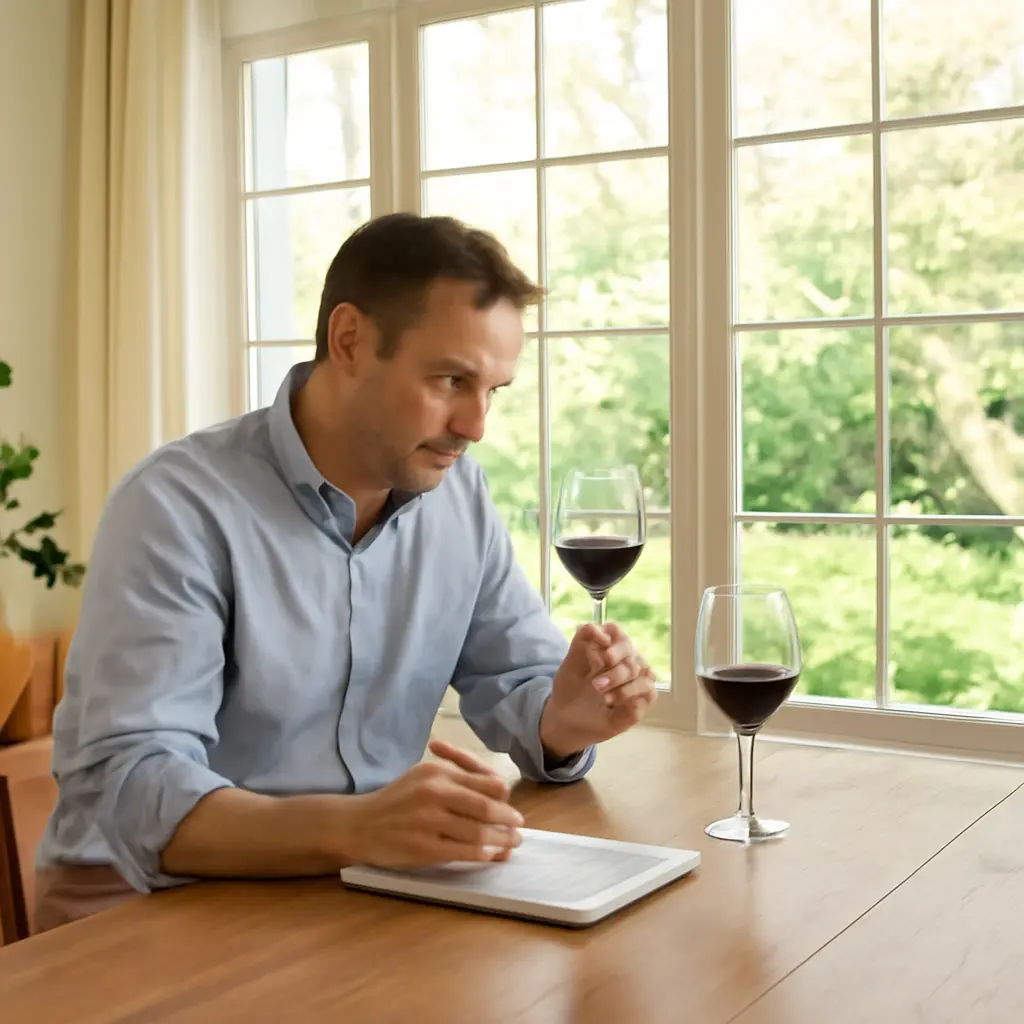
Wine tasting skill is not simply a matter of recognizing more aromas; it is the ability to separate what is in the glass from what expectation, memory, and context lead us to perceive. Even experienced wine lovers can mistake familiarity for accuracy, overvalue intensity, rely too heavily on labels, or treat personal preference as objective quality. These habits matter because wine perception is influenced by sensory conditions and expectation: in a well-known 2001 experiment, researchers found that changing the color of a white wine with odorless dye led trained tasters to describe it using red-wine vocabulary. Understanding common palate mistakes—and practicing ways to counter them—can make tasting more precise, open-minded, and enjoyable.
Palate mistakes: how experienced wine lovers misread a glass
A palate mistake is a recurring error in noticing, interpreting, or evaluating a wine. It does not mean someone has a poor palate: tasting combines smell, taste, touch, sight, memory, and judgment, so even knowledgeable drinkers can be influenced by the conditions around them. The most useful distinction is between sensory description—what you detect—and evaluation—whether you like it or consider it well made.
Confusing intensity with quality
Intensity describes how strongly a wine’s aromas or flavors register; quality is a judgment that also considers balance, complexity, persistence, and condition. A powerful wine may be compelling, but concentration alone does not establish excellence. Conversely, a subtle wine can be complex and well balanced without making a dramatic first impression.
The practical check is to describe intensity separately from quality. Note whether fruit, acidity, alcohol, tannin, oak, and finish seem integrated rather than rewarding whichever element is loudest. This helps prevent boldness from being mistaken for depth.
Treating preference as a universal verdict
“I don’t like this” is a valid report of preference; “this is bad” is a broader claim that needs evidence. A taster may dislike high acidity, noticeable oak, sweetness, or firm tannins while still recognizing that those features are intentional and competently handled. Keeping preference and assessment separate makes criticism more informative and conversation less dogmatic.
A useful tasting note records both: “I prefer rounder wines; this has firm acidity, clear fruit, and a persistent finish.” The description remains meaningful even to someone whose preferences differ.
Sensory bias: how expectation and conditions alter wine perception
Sensory bias occurs when information beyond the wine’s taste and aroma shapes what a person thinks they perceive. It can come from color, price, reputation, a label, or the order of a tasting. Research by Frédéric Brochet, published with colleagues in the journal Brain and Language in 2001, reported that 54 wine students used red-wine descriptors for a white wine that had been colored to look red. The study is a striking demonstration of expectation, not proof that every tasting judgment is unreliable.
Letting labels, price, or reputation lead the tasting
A blind tasting hides some identifying information so tasters can assess the wine with fewer cues. It does not guarantee objectivity, but it can reduce the influence of producer prestige, region, vintage, and price. When the label is visible, a famous name may encourage a drinker to interpret ordinary features as signs of distinction—or to overlook flaws.
Try a simple comparison: taste two wines without seeing their labels, write down sensory observations, and reveal their identities only afterward. Ask whether your initial notes change once you know the price or reputation. The gap can reveal how strongly context is steering interpretation.
Ignoring serving conditions and sensory fatigue
Temperature, glassware, food, strong ambient aromas, and tasting order can all affect what stands out. A wine served too cold may seem muted; a warmer pour can make alcohol more apparent. Repeated exposure can also dull attention, while a succession of powerful wines may make a delicate one seem faint by comparison.
For a more useful assessment, serve wines at suitable temperatures, use clean glasses, avoid heavily scented surroundings, and pause between samples. Water and a neutral reset can help, though no palate cleanser erases every effect of the previous wine. If a wine seems unexpectedly closed or unbalanced, revisit it after a short break and under more consistent conditions.
Tasting errors: when familiarity narrows a wine lover’s palate
Experience builds a vocabulary and helps drinkers recognize patterns, but it can also create habits that narrow attention. Overconfident identification, reliance on familiar reference points, and neglect of less fashionable styles can make a seasoned taster less curious. The remedy is not to abandon expertise; it is to treat conclusions as testable and descriptions as provisional.
Overclaiming aromas and grape or region identification
Aroma recognition is an interpretation based on smell, memory, and language. “Blackcurrant,” “cedar,” or “wet stone” may communicate an impression, but the words do not prove that a particular grape, place, or winemaking technique is present. Similar sensory impressions can arise from different combinations of fruit, fermentation, maturation, and bottle development.
Use calibrated language: “suggests,” “resembles,” or “I associate this with.” Start with broad categories—citrus, red fruit, dried herbs, earth—then add a more specific reference if it helps. In blind practice, record confidence as well as a guess. Being wrong is useful data about how well a cue actually predicts a variety or region.
Mistaking unfamiliarity for a flaw
A wine outside a drinker’s usual style may seem austere, unusually aromatic, savory, or structurally firm without being defective. At the same time, openness to unusual styles should not mean dismissing genuine faults. Distinguish unfamiliar character from a persistent, unwanted defect by checking whether the aroma or flavor remains unpleasant after the wine has had time to breathe and by comparing impressions with another taster when possible.
For example, a drinker accustomed to ripe, oak-aged Chardonnay may initially find a lean, high-acid version thin. The more useful question is whether the wine’s acidity, fruit, and texture work together—not whether it resembles the familiar bottle. Trying wines across regions, grape varieties, and production methods can broaden the reference set used to make that judgment.
A more reliable tasting method: separate observation from judgment
A consistent method cannot remove subjectivity, but it can make tasting notes clearer and comparisons fairer. The Court of Master Sommeliers and other wine-education organizations use structured approaches that examine appearance, aroma, palate, and conclusions. The value of a framework is not the appearance of technical certainty; it is the discipline of considering the same dimensions from wine to wine.
Use a short, repeatable tasting sequence
Begin with condition and broad sensory evidence before making a quality judgment. A practical sequence is:
- Check appearance and note color or clarity without inferring quality from color alone.
- Smell before swirling, then smell again; record the broad aroma families that are easiest to identify.
- Taste for sweetness, acidity, tannin, alcohol, body, flavor intensity, and finish.
- Assess balance, complexity, persistence, and any possible fault.
- Write down personal preference separately from the sensory description and overall assessment.
This sequence also makes comparisons more useful. If one wine seems better, the notes can show whether that judgment reflects greater complexity, better balance, or simply a style you enjoy more.
Test assumptions with side-by-side tasting
Comparative tasting means sampling wines under similar conditions and asking a focused question—for example, how two vintages differ, whether oak changes perceived texture, or how acidity varies across regions. Keep the pour sizes and serving temperatures similar, and avoid revealing identities until the first notes are written if the goal is to limit expectation.
A simple tasting chart can list each wine against aroma intensity, acidity, tannin, body, balance, finish, and preference. The chart is a tool for noticing patterns, not a scientific measurement. Record what changed your mind, such as a second smell, food pairing, or label reveal.
Conclusion: turn palate mistakes into better tasting habits
Common palate mistakes are not signs that an experienced wine lover lacks knowledge. They are reminders that perception is shaped by expectation, conditions, memory, and preference. Separating intensity from quality, tasting before reading the label, allowing for sensory fatigue, describing aromas with calibrated confidence, and distinguishing unfamiliarity from faults all make judgments more precise.
For your next bottle, write a few sensory observations before deciding whether you like it, then revisit those notes after learning its identity. That small practice can reveal assumptions, sharpen comparisons, and keep curiosity at the center of wine appreciation.
Sources: Brochet, Frédéric, “Chemical Object Representation in the Field of Consciousness,” Brain and Language, 2001, https://doi.org/10.1006/brln.2000.2494; Court of Master Sommeliers, Americas, “The Deductive Tasting Method,” https://www.mastersommeliers.org/; Wine & Spirit Education Trust, “Systematic Approach to Tasting,” https://www.wsetglobal.com/knowledge-centre/