
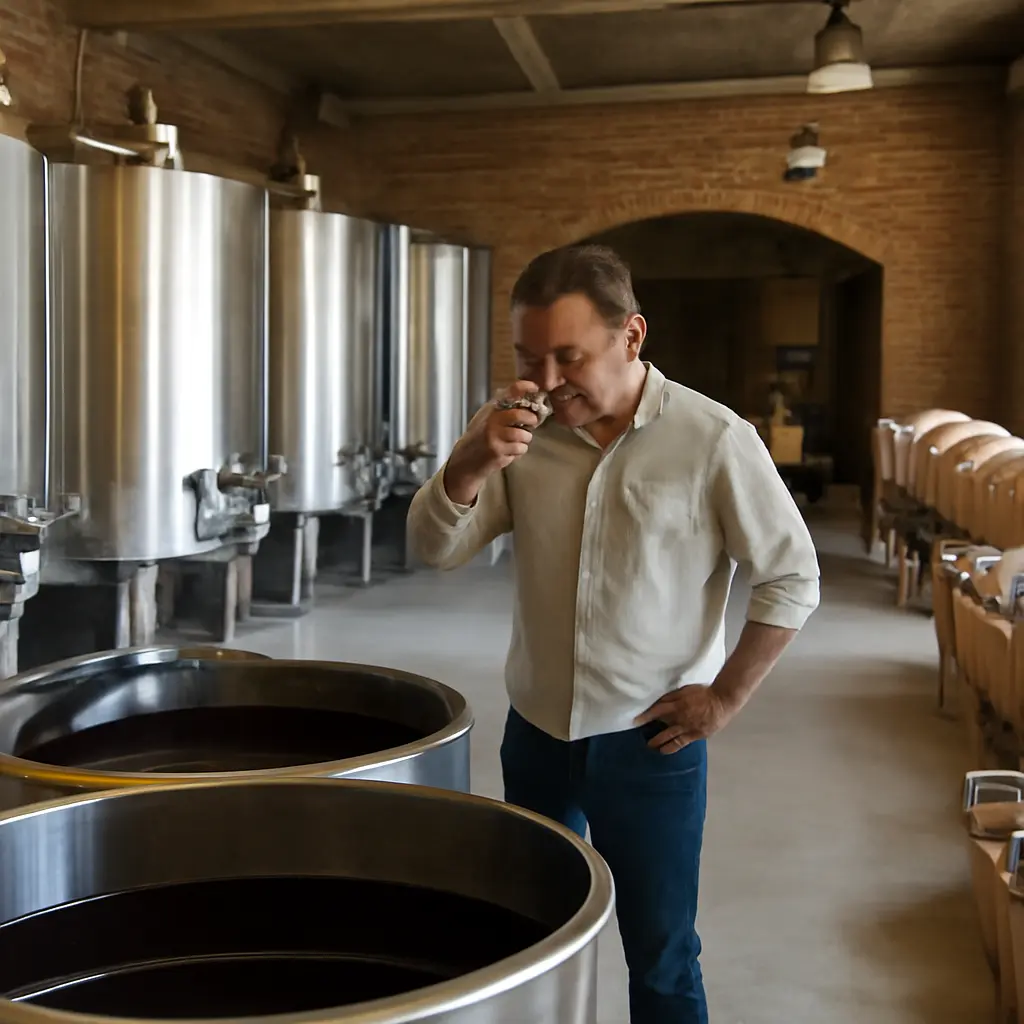
Maceration is the period when grape juice remains in contact with grape skins and, sometimes, seeds or stems. Winemakers control that contact to shape a wine’s color, aroma, tannin, and texture: shorter or cooler contact generally limits extraction, while longer or warmer contact can draw out more compounds, though the result depends on grape variety and cellar conditions. The timing choices range from pressing white grapes quickly to extended skin contact for red wines and post-fermentation maceration. Understanding those choices helps explain why two wines made from the same grape can taste markedly different.
How maceration timing controls wine flavor
Maceration timing is the winemaker’s decision about when to separate fermenting or unfermented juice from grape solids. The International Organisation of Vine and Wine (OIV) describes maceration as a process in which grape solids remain in contact with the liquid phase, enabling extraction of compounds such as pigments, tannins, and aroma-related substances. Timing matters because these compounds do not all extract at the same rate: color compounds can be released relatively early, while tannin extraction may continue as contact and fermentation proceed.
There is no universal “right” duration. A few hours may be enough for a light rosé, whereas red wines commonly macerate through fermentation and may remain on the skins afterward. Temperature, crushing, cap management, grape ripeness, and the proportion of seeds and stems all change the outcome. The sections below explain how early, fermentative, and extended maceration affect wine, and how producers use those approaches in practice.
Maceration timing determines extraction and style
In practical winemaking, maceration timing is the control of grape-solid contact to guide extraction and sensory style. The OIV’s definition focuses on contact between solid grape material and liquid; the winemaking decision is how long to maintain that contact and under what conditions. “Extraction” here refers to the transfer of compounds from skins, seeds, and, when included, stems into the juice or wine.
The main maceration approaches are pre-fermentation contact, maceration during alcoholic fermentation, and post-fermentation extended maceration. Carbonic maceration is a related, specialized method in which intact berries ferment in a carbon-dioxide-rich environment. These categories overlap in practice, and the terms describe process choices rather than guaranteed flavor results.
Short and cool contact: freshness, pale color, and lighter structure
Short maceration limits the time available for extraction. For rosé, producers often allow red-grape skins to touch the juice briefly, then press to achieve a chosen color and level of phenolic grip. In white-wine production, pressing grapes promptly and separating the juice from skins helps avoid substantial red-skin pigment and tannin extraction; some white wines instead receive a deliberate period of skin contact to build aroma and texture.
Cool temperatures generally slow fermentation and can moderate extraction, but temperature does not act alone: crushing, skin condition, and mixing also matter. Short contact is therefore a tool, not a guarantee of a specific flavor. Depending on the grapes and cellar choices, it may preserve a delicate profile or produce a rosé with more color and structure than a very brief press-run wine.
Fermentative maceration: color, tannin, and mouthfeel
Fermentative maceration occurs while yeast converts grape sugars into alcohol. In red winemaking, skins rise to form a cap, and cellar teams manage contact by pumping liquid over the cap, punching it down, or using other mixing methods. These actions wet the skins and influence extraction, but their frequency and intensity must suit the fruit and desired style.
Anthocyanins, the pigments responsible for much red-wine color, are extracted from skins, while tannins come from skins and seeds and can also be contributed by stems when they are included. As fermentation progresses, alcohol and temperature can affect extraction. The University of California, Davis, viticulture and enology resources emphasize that phenolic development and extraction depend on interacting factors, so simply extending maceration does not reliably mean “more color” or “better wine.” A winemaker tastes and monitors the ferment to decide when to press.
Extended post-fermentation maceration: a deliberate structural choice
Extended maceration means keeping red wine in contact with its skins and seeds after alcoholic fermentation has finished. Producers may use it to alter tannin structure and mouthfeel, particularly when they judge that the fruit can tolerate additional contact. The method can contribute to a more developed, firm, or integrated impression, but it also carries the risk of extracting harsh or drying compounds if the fruit or process is unsuitable.
The decision depends on tasting, not a fixed calendar. Seed maturity, grape condition, oxygen exposure, temperature, and microbial control all influence whether extra time is beneficial. Extended maceration is therefore best understood as a tailored cellar choice rather than a standard premium-wine requirement.
Carbonic maceration: whole berries and a distinctive fermentation pathway
Carbonic maceration typically involves intact grape clusters or berries in a carbon-dioxide-rich vessel. Some fermentation occurs inside unbroken berries before conventional yeast fermentation takes over after the fruit is crushed. The approach is associated with fresh, fruit-forward wines and is notably used in Beaujolais, especially for wines made from Gamay.
It is not simply a shorter version of ordinary skin maceration: the intact-berry, low-oxygen conditions change the sequence of fermentation and the compounds formed. Producers may also use partial carbonic methods, combining whole clusters with crushed fruit to balance aromatic lift and structure.
What changes the effect of maceration time?
Duration is only one control. A week of skin contact can produce different results from one vintage to another, or from one cellar to another, because extraction responds to temperature, grape maturity, fruit handling, and the winemaker’s interventions. That is why maceration schedules are typically adapted to the lot rather than copied mechanically.
Temperature and alcohol affect extraction
Warmer fermentation generally accelerates extraction and fermentation activity, while cooler conditions tend to slow them. As alcohol accumulates, its solvent properties can help extract some skin and seed compounds. Temperature management therefore influences both the pace and character of extraction, although the response varies by grape and cellar practice.
A winemaker seeking soft, aromatic fruit may choose gentler conditions; a producer pursuing deeper color and structure may use a warmer or more intensive regime if the fruit is sound. Neither strategy is automatically superior. Excessive heat or poorly managed fermentation can compromise aroma and wine quality.
Grape variety, ripeness, and fruit condition set limits
Grape varieties differ in skin pigment, tannin potential, berry size, and seed characteristics. Ripeness also matters: sugar maturity does not necessarily mean that seeds and skins have reached the tannin profile a winemaker wants. Damaged or diseased fruit may require quicker processing and closer control, whereas healthy, carefully selected grapes can offer more options for longer contact.
These differences explain why identical maceration durations can yield unlike wines. A thin-skinned variety and a thick-skinned variety do not present the same extraction potential, and a winemaker may adjust contact for each parcel or fermentation lot.
Cap management changes contact intensity
During red fermentation, carbon dioxide pushes skins upward, creating a cap. Pumping over, punch-downs, and related techniques alter how frequently the cap meets the liquid and how much mechanical action the fruit receives. More vigorous or frequent cap management can increase contact and extraction; gentler handling can preserve a lighter structure.
The choice is linked to timing: a long maceration with gentle handling may not resemble a shorter, intensely mixed one. Winemakers therefore consider duration and extraction intensity together, using sensory checks and fermentation observations to guide adjustments.
Examples of timing choices in the cellar
Maceration choices are easiest to understand through the styles they help create. These examples are broad practices rather than fixed recipes; individual producers vary their methods according to the vintage, fruit, and intended wine.
Rosé: pressing at the desired point
A rosé producer can allow red grapes brief skin contact, then press once the juice reaches the intended color and phenolic profile. A very short contact can yield a pale wine, while longer contact can create deeper color and more noticeable texture. Because pigment extraction and taste do not develop identically, producers assess both appearance and sensory character rather than relying on elapsed time alone.
Beaujolais: whole-berry fermentation for fruit expression
In Beaujolais, carbonic and semi-carbonic methods are associated with Gamay wines that emphasize bright fruit and a supple impression. Whole-cluster conditions encourage intracellular fermentation in intact berries before the grapes are pressed and fermentation completes. The example shows how changing the type and sequence of skin contact can shape style, not merely how many days the juice sits with solids.
Structured reds: extending contact when the fruit supports it
Some producers of structured red wines keep the wine on skins after fermentation to develop a particular tannin profile. This choice is most defensible when tasting suggests that the fruit remains balanced and the cellar can maintain suitable hygiene and temperature. If the seeds or skins contribute unwanted bitterness or dryness, pressing sooner may be the better route.
Conclusion: timing is a sensory decision, not a stopwatch rule
Maceration timing gives winemakers a way to steer extraction and wine style. Short contact can limit color and structure; fermentative maceration builds a red wine’s phenolic profile; extended contact can reshape tannin when the fruit and conditions support it; and carbonic maceration offers a distinct whole-berry pathway. Temperature, grape variety, ripeness, and cap management determine how those choices translate into the glass.
For wine drinkers, these techniques help explain differences in color, aroma, and mouthfeel. For anyone learning winemaking, the practical lesson is to treat time as one variable among several: taste the wine, monitor the ferment, and match the method to the fruit. Further reading from the OIV and university viticulture and enology programs can provide deeper technical context.
Sources: International Organisation of Vine and Wine (OIV), International Code of Oenological Practices, https://www.oiv.int/standards/international-code-of-oenological-practices; University of California, Davis, Department of Viticulture and Enology, Winemaking resources, https://wineserver.ucdavis.edu/; Jackson, Ronald S., Wine Science: Principles and Applications, Academic Press, https://www.sciencedirect.com/book/9780128165379/wine-science.