
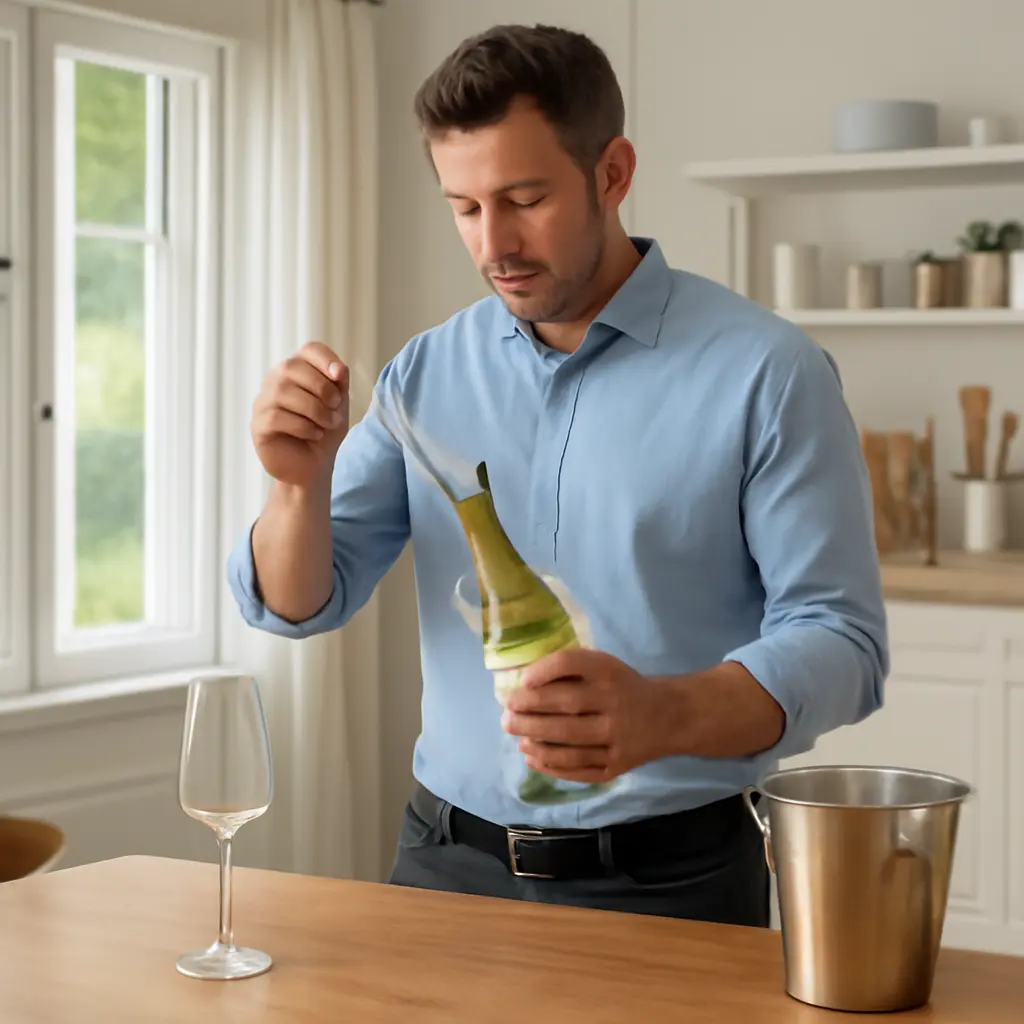
Wine temperature control is the practice of serving and storing wine within ranges that help preserve its aromas, balance, and texture. It separates a polished bottle from one that tastes muted, overly alcoholic, or flat: temperature changes how quickly aromatic compounds reach the nose and how prominent acidity, tannin, sweetness, and alcohol feel on the palate. There is no single ideal temperature for every wine, but widely used service ranges run from about 6–8°C (43–46°F) for sparkling wines to about 16–18°C (61–64°F) for many full-bodied reds. Temperature also matters before serving: the Wine Institute advises storing wine in a cool, dark, stable environment, while wine educators commonly identify roughly 13°C (55°F) as a useful cellar target. This guide explains what temperature control means, how storage and serving temperatures differ, how to adjust for wine styles, and how to avoid common mistakes.
Temperature control defines wine quality at storage and service
Temperature control in wine means managing the wine’s thermal environment to limit damaging fluctuations during storage and to serve it at a temperature that suits its style. The Wine & Spirit Education Trust (WSET) teaches that serving temperature affects the perception of a wine’s aromas and structure: colder temperatures can suppress aromatic expression and make tannins seem firmer, while warmer temperatures can make alcohol feel more prominent and the wine seem less fresh.
The key distinction is between storage temperature and serving temperature. Storage is about protecting wine over time; service is about shaping the experience in the glass right now. A stable, cool cellar is useful for long-term keeping, but that does not mean every bottle should be poured at cellar temperature. Conversely, chilling a bottle to its serving range cannot undo years of heat exposure.
Temperature is especially relevant because wine is a living, chemically complex product. Heat accelerates chemical reactions that contribute to aging, while repeated or severe temperature swings can stress the closure and wine. The exact effect depends on the wine, its packaging, and the conditions involved; there is no universal temperature threshold that guarantees damage. The practical goal is therefore consistency, darkness, and avoidance of excessive warmth.
Storage temperature means cool, dark, and stable
Storage temperature is the temperature surrounding a bottle while it is being kept, rather than the temperature at which it is poured. A cellar near 13°C (55°F) is a common reference point, but stability matters more than hitting one exact number. A shaded interior cupboard can be better than a nominally cool location that repeatedly heats and cools.
The Wine Institute’s consumer guidance emphasizes storing wine away from heat, light, vibration, and large temperature changes. For bottles sealed with natural cork, keeping the cork from drying out is also a traditional reason to store bottles on their sides. Many modern closures, including screw caps, do not require horizontal storage for that purpose.
Serving temperature shapes aroma and balance
Serving temperature is the wine’s temperature when it reaches the glass. It influences how quickly volatile aroma compounds are released and how the main components of the wine are perceived. A white served extremely cold may seem restrained; a red served too warm may taste more alcoholic and less lively. These are sensory effects, not changes to the wine’s actual alcohol content or acidity.
A useful rule is to pour many whites and sparkling wines chilled, and many reds slightly cooler than a warm room. “Room temperature” is a poor universal instruction because rooms vary: a modern heated home can be much warmer than the cool rooms in which that expression became customary.
Serving temperature separates wine styles by structure and body
Wine style is a practical guide to serving temperature. WSET educational materials and producer guidance commonly place lighter, fresher wines at cooler temperatures and fuller, more structured wines somewhat warmer. These are starting ranges rather than rigid laws: personal preference, vintage, sweetness, acidity, tannin, and glassware can all affect the best pour.
Sparkling wine benefits from a thorough chill
Sparkling wine is typically served around 6–8°C (43–46°F). Chilling helps keep the wine refreshing and moderates the perception of acidity and sweetness. A bottle that is too warm can foam more vigorously when opened, so chill it before service and open it carefully, keeping a hand over the cork and pointing it away from people.
Light whites and rosé are best cool, not numbingly cold
Many crisp, light-bodied whites and rosés show well at approximately 7–10°C (45–50°F). Sauvignon Blanc, Pinot Grigio, and dry rosé are common examples. If these wines are served close to refrigerator temperature for an extended period, their aromas can become muted; allowing the glass to warm slightly can reveal more fruit and floral character.
Fuller whites and lighter reds need a little more warmth
Richer whites, including many oaked Chardonnays, are often served around 10–13°C (50–55°F), which gives their texture and aromas room to emerge without making them feel heavy. Lighter reds such as Beaujolais and some Pinot Noir can be enjoyable around 12–15°C (54–59°F). A brief chill can make these reds feel fresher, especially in a warm room.
Full-bodied reds are often better below room temperature
Many full-bodied reds, including Cabernet Sauvignon and Syrah, are commonly served around 15–18°C (59–64°F). This range can support aromatic complexity while avoiding the hot, alcoholic impression that may emerge when a red is poured too warm. “Room temperature” should not automatically mean 21–24°C (70–75°F), which is common indoors but warmer than many recommended red-wine service ranges.
A simple visual aid can help: a temperature chart listing sparkling, light white and rosé, full-bodied white, light red, and full-bodied red ranges makes it easier to match a bottle to the refrigerator or ice bucket without treating the numbers as absolute rules.
Practical temperature control prevents common serving errors
Good temperature control does not require a professional cellar. A household refrigerator, an ice bucket, a basic thermometer, and a little planning can improve service. The most common error is serving wine at the temperature that is convenient rather than appropriate: whites may be over-chilled, while reds may be left too warm.
Chill gradually and use a quick-cooling method when needed
A refrigerator is a straightforward way to chill wine, but timing varies with bottle size, starting temperature, and appliance performance. For a quicker chill, place the bottle in an ice-and-water bath; water transfers heat more effectively than ice alone because it makes close contact with the bottle. Rotate the bottle occasionally and check it rather than relying on a fixed number of minutes.
Avoid leaving wine in a freezer and forgetting it. Liquid expands as it freezes, which can push out a cork or damage the bottle. If a bottle has become too cold, simply let it warm gradually; there is usually no need for elaborate correction.
Use a thermometer as a guide, not a ritual
A wine thermometer can show whether a bottle is broadly within its intended range, but the glass matters too: a small pour warms rapidly in a warm room, while a bottle in an ice bucket stays cooler. Measure the bottle or use a temperature-reading tool as a starting check, then taste and adjust. Serving temperature is ultimately a sensory choice.
Protect stored bottles from heat and sunlight
Keep wine away from ovens, radiators, sunny windows, and appliances that emit heat. A dark, stable cupboard is suitable for many bottles intended for near-term drinking; collectors and people storing wine for longer periods may benefit from a dedicated wine refrigerator or cellar. Wine fridges are designed to maintain more suitable conditions than ordinary kitchen refrigerators, which are generally colder and can be dry or subject to frequent door openings.
Temperature control matters from casual dinners to wine cellars
The benefits of temperature control scale with the bottle’s value and intended drinking window. For a weeknight wine, a small service adjustment may be enough. For a bottle intended to age, stable storage becomes more important because prolonged exposure to heat can accelerate development and may cause premature aging.
A simple home example: correcting an overheated red
Imagine a Cabernet Sauvignon kept on a kitchen counter in a warm home. It may smell more alcoholic and feel less fresh than expected. Cooling the bottle for a short time before pouring can bring it closer to a moderate serving range and make its fruit, acidity, and tannin seem more balanced. The cooling does not repair prior heat damage, but it can improve the immediate drinking experience if the wine is otherwise sound.
A cellar example: stable conditions protect aging potential
A collector keeping bottles for years should prioritize a consistently cool, dark location over a shelf that experiences daily swings. Professional storage facilities and wine cellars are designed to limit heat and fluctuations; home collectors can use a temperature-controlled wine cabinet when a naturally stable cellar is unavailable. The right choice depends on how many bottles are stored, how long they will be kept, and the cost of replacing them.
Conclusion: temperature control makes wine more expressive
Temperature control improves wine by separating the needs of storage from the goals of service. Stable, cool, dark storage helps protect bottles over time, while style-appropriate serving temperatures let aromas and structure show more clearly. Sparkling wine and light whites generally benefit from colder service; fuller whites and reds are usually better somewhat warmer, but rarely as warm as a heated room. Use the ranges as flexible guides, chill thoughtfully, and taste your way to the temperature that suits each bottle. For further guidance, consult WSET wine education resources and the Wine Institute’s consumer storage recommendations.
Sources: Wine & Spirit Education Trust, “How to Taste Wine,” https://www.wsetglobal.com/knowledge-centre/blog/2020/how-to-taste-wine/; Wine Institute, “Wine Storage,” https://wineinstitute.org/our-industry/consumer-information/wine-storage/; Wine Folly, “Wine Serving Temperature,” https://winefolly.com/tips/white-wine-serving-temperature/